Why a blended average erases the best crop
What is lost, in quality and in a grower's reason to do the work, the moment a load joins the pile.
ReadGANT Exchange processes Canadian lentils, chickpeas, peas, faba beans and dry beans as individually tracked lots. What a grower delivered, how it tested, and where it went stays attached to the grain instead of dissolving into a blended average.
When a truckload arrives at a conventional elevator it is weighed, graded against a minimum threshold, and tipped into a bin with grain from other farms. From that point the load is part of an average. A buyer purchasing from that bin months later is not buying a particular farm's crop, they are buying whatever the bin currently holds.
The grower who selected better seed, timed the harvest carefully and managed moisture with more discipline is paid the same as the neighbour who did not, provided both cleared the same grade. The market cannot see the difference, so it does not pay for it.
Buyers carry the other half of the cost. A commodity grade certifies that a consignment cleared a floor. It says nothing about origin, handling, or whether the crop matches the specification a premium contract actually requires.
Each delivery is given an identity at the weighbridge and keeps it through drying, cleaning, grading and packing. Segregation is enforced by the equipment itself, so two growers' crops cannot be combined even by mistake.
Deliver into a facility that records what you actually produced, and sell to buyers who can see it. Your crop is priced on documented quality instead of the bin average.
For farmers and co-opsBuy against measured quality attributes and a documented handling history for the specific consignment, with the provenance record your own compliance obligations increasingly demand.
For buyersSpecify pulses whose origin you can name on a menu and defend to a procurement committee, without paying a premium for the privilege.
For foodservice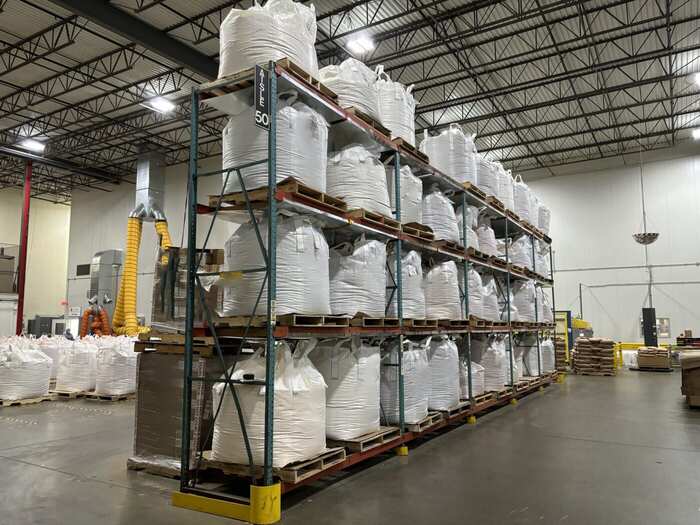
The promise only holds if intake is disciplined. A weighbridge, a sampling routine and a controlled processing line are what turn a delivery into a record that a buyer on another continent can rely on.
The first site is being built in Saskatchewan, in one of the most productive pulse-growing regions in the world, with the rail and port connections to move crop to Europe already in place.
The province grows a substantial share of the world's traded lentils and peas. Processing capacity has not kept pace with what it produces, which is precisely the gap the facility is built to occupy.
GANT is incorporated in the United Kingdom and is building relationships with canners, millers and foodservice buyers across the UK, the Netherlands, Spain and Germany.